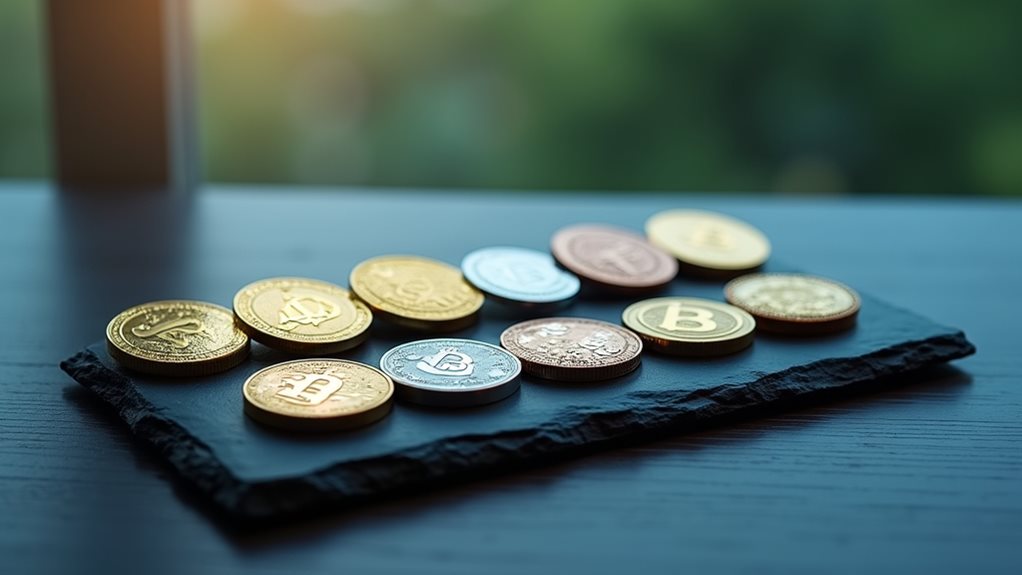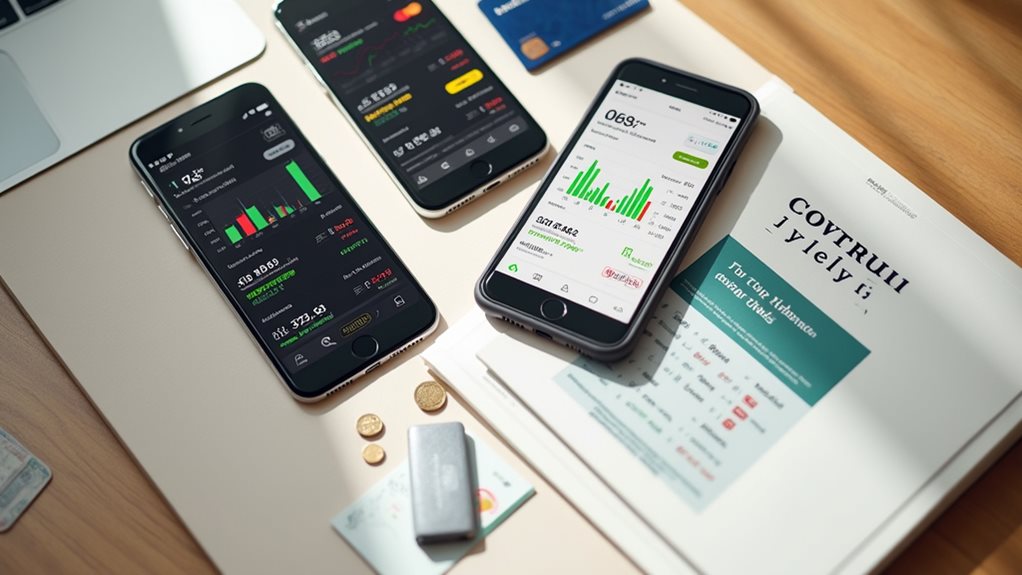

Cryptocurrency is digital money that cuts out banks and governments. You’ll need a wallet (software or hardware) to store your crypto securely. Bitcoin started it all in 2009, but thousands exist now. Every trade is taxable—the IRS considers crypto property, not currency. Prices swing wildly—that’s the game. Use strong passwords, enable two-factor authentication, and guard your seed phrase like gold. The crypto rabbit hole goes deeper than you’d imagine.
What Is Cryptocurrency and Why Does It Matter?

Confusion. That’s what most people feel when cryptocurrency comes up at dinner parties. But here’s the deal: it’s just digital money. No physical coins, no banks controlling it. Simple, right?
Cryptocurrency history begins with Bitcoin in 2009. Some mysterious person named Satoshi created it after the financial crisis. Perfect timing. Since then, thousands more have popped up. Today’s mining operations consume massive energy resources, comparable to the electricity usage of entire countries like Finland.
The birth of Bitcoin—Satoshi’s response to a broken financial system. The first domino in a digital revolution.
The digital currency benefits are pretty straightforward. You can send money directly to anyone worldwide. No middlemen. No permission needed. Your funds, your control.
It’s not merely for tech nerds anymore. People use crypto to store value, make payments, or simply invest. Some even get rich. Others lose everything. That’s the game.
Decentralized. Encrypted. Revolutionary. Or maybe just a giant bubble. You decide.
Cryptocurrencies operate on blockchain technology, a distributed public ledger that records all transactions for transparency and security. The IRS considers cryptocurrencies as property, not currency, making them subject to capital gains tax when used for purchases.
The Essential Building Blocks of Blockchain Technology

Now that you know what cryptocurrency is, let’s talk about what makes it tick: blockchain. Think of it as a giant digital ledger that everyone can see but nobody can mess with.
The brilliance of blockchain basics? Data’s stored across thousands of computers worldwide. No single point of failure. No middlemen. Just pure, decentralized networks doing their thing.
Each transaction gets bundled into “blocks” that link together using cryptographic security. Once added, that data’s permanent. Forever. Try changing it and you’ll break the entire chain.
The whole system runs on consensus mechanisms—computers agreeing on what’s legit. Some blockchains use mining processes where computers solve complex puzzles to validate transactions. While highly secure, these systems contribute to massive energy consumption that exceeds some entire countries.
Ledger technology might sound boring, but it’s revolutionary. Trust me, bankers are terrified. And they should be.
Smart contracts are extending blockchain’s capabilities beyond just currency, allowing for automated legal and financial transactions without the need for intermediaries. These digital contracts are secured using cryptographic techniques that ensure data integrity and transaction authenticity throughout the network.
Setting Up Your First Crypto Wallet
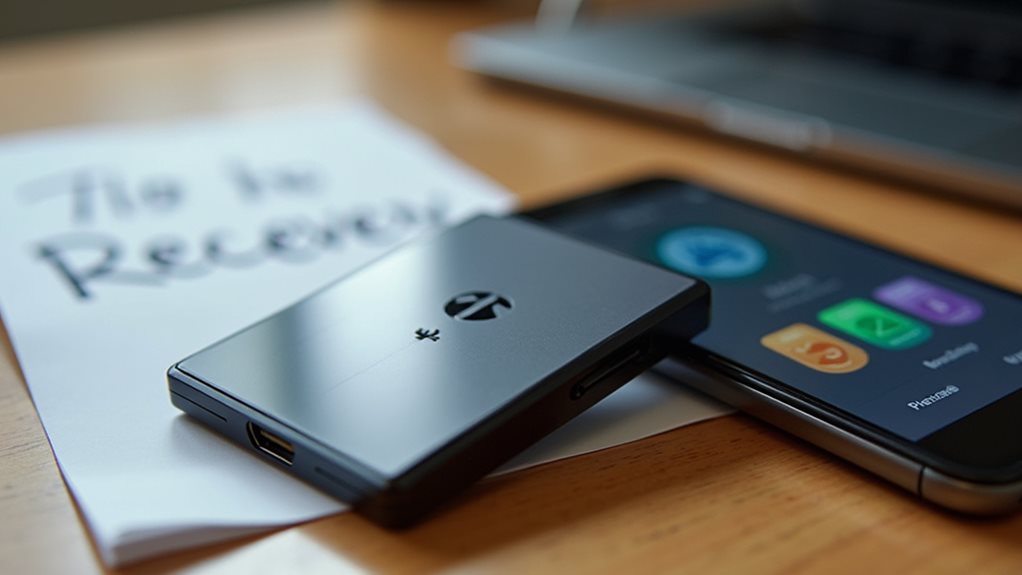
So you’ve got cryptocurrency on your mind, but where exactly will you keep it? You’ll need a wallet. Not the leather kind.
Crypto wallets come in different flavors. Software wallets connect to the internet—convenient but vulnerable. Hardware wallets store keys offline—safer but pricier. Remember that your crypto is actually stored on the blockchain itself, not within the wallet. Wallet comparisons often boil down to security versus accessibility. Recovery phrases should be stored in multiple secure locations to ensure you never lose access to your funds.
Custodial wallets let exchanges handle everything. Forgot your password? No problem. They’ve got you.
Non-custodial wallets put you in charge. Lose your keys? Your crypto’s gone. Forever. Brutal.
Setting up is straightforward. Download an app or buy a device, generate keys, and—this is critical—create wallet backups. That recovery phrase isn’t optional; it’s your financial lifeline. Enabling 2-step verification adds an essential layer of security for your hosted wallet.
Different wallet features suit different needs. Frequent trader? Hot wallet. Serious hodler? Cold storage.
How to Buy Your First Bitcoin or Altcoin

Three main steps separate you from owning cryptocurrency: choosing a platform, setting up an account, and hitting that buy button. Simple, right?
First, pick your battleground. Crypto exchange options include Coinbase, Gemini, or Binance. Fees vary wildly—exchanges charge up to 4%, while Bitcoin ATMs rob you at 15%. Look for security certifications like ISO 27001. No sketchy websites, people!
Creating an account means sharing your life story—name, birthdate, SSN, government ID. Thank KYC regulations for the intrusion. With annual returns of 127% since 2008, Bitcoin has proven to be a compelling investment option.
Next, connect funding methods. Bank transfers are cheaper; debit cards cost more but work faster. Gemini offers multiple options including Apple Pay and Google Pay. Some platforms let you set up recurring buys. Remember that your transactions will be recorded on blockchain for complete transparency. Neat.
Finally, select your crypto, confirm the amount (yes, you can buy fractions), review the fees, and pull the trigger. Boom. You’re officially in the game.
Security Best Practices to Protect Your Digital Assets
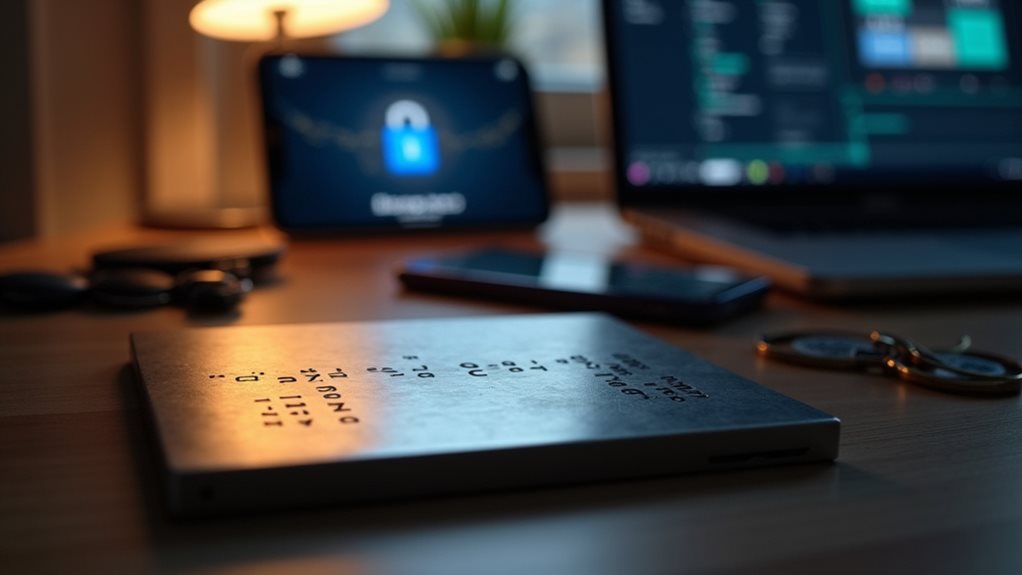
While you’re busy fantasizing about lambos and moon trips, hackers are working overtime to steal your crypto.
Password management isn’t optional—create monsters at least 14 characters long with symbols, numbers, and varied cases. Never reuse them. Ever.
2FA importance can’t be overstated. Use authenticator apps, not SMS. Consider using hardware tokens for enhanced transaction security.
Seed phrase security is non-negotiable: offline storage only, preferably on metal backups. Your keys, your coins. No keys, no coins.
Different wallet types serve different purposes. Cold for savings, hot for spending. Consider using multi-signature access for institutional holdings requiring maximum security.
Keep devices updated and malware-free. Network safety means using VPNs and avoiding public Wi-Fi. Regularly monitor your accounts for unauthorized transactions to catch potential security breaches early.
Phishing awareness will save your portfolio—verify URLs obsessively.
Finally, exchange security: enable all protections, use withdrawal whitelists, and for heaven’s sake, log out after each session.
Understanding Crypto Market Volatility and Risk

If you thought the crypto security environment was treacherous, brace yourself for the wild rollercoaster that’s market volatility.
Crypto price fluctuations make traditional stocks look like flat-liners. Bitcoin’s annualized volatility often exceeds 80% compared to the S&P 500’s measly 15-20%. Yeah, that’s not a typo. However, Bitcoin’s volatility has shown a consistent decline as the asset class continues to mature.
Welcome to the roller coaster—where your crypto portfolio might drop 20% during your lunch break.
Why are these digital assets so jumpy? Simple:
- Limited liquidity means whales can move markets with a single trade
- Market sentiment analysis shows news headlines trigger massive buying/selling frenzies
- The market is young and dominated by emotional retail traders, not institutions
- Supply constraints (like Bitcoin’s 21M cap) amplify demand surges
The upside? Bitcoin’s monthly return averages 7.8% versus the S&P’s 1.1%. Recent market analysis revealed a staggering $2.2 billion liquidation in a single day, highlighting the extreme risks involved in crypto trading.
Higher risk, higher reward. That’s crypto for you.
Historical data demonstrates how Bitcoin’s price skyrocketed by more than 2,000% in 2017, showcasing the extreme volatility that can create both opportunities and dangers for investors.
The Taxation and Legal Status of Cryptocurrency
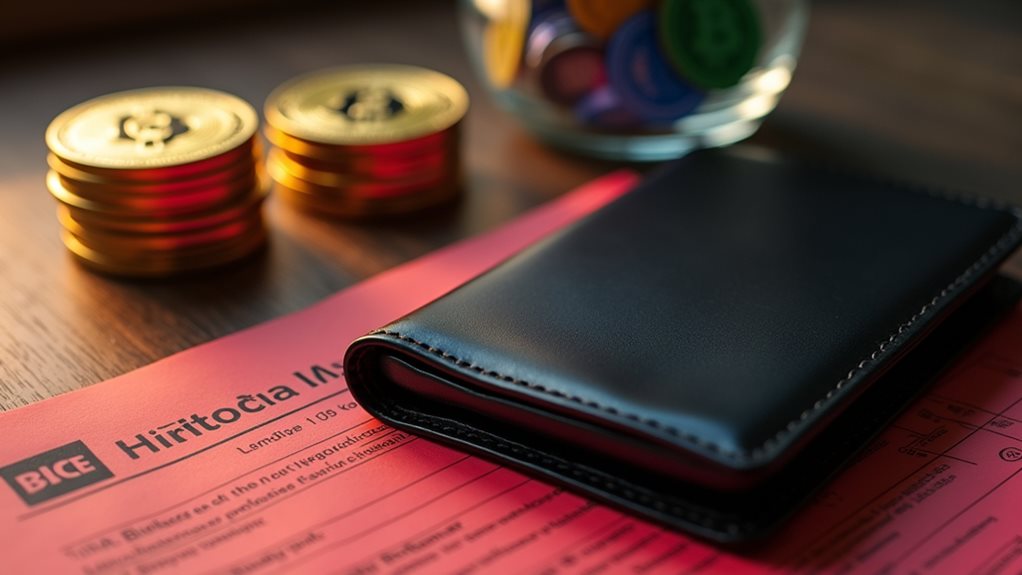
Making money in crypto’s wild west is thrilling. But guess what? The IRS doesn’t care about your moon shots—they want their cut. Since 2014, cryptocurrencies have been classified as property for tax purposes. Every trade, every swap—taxable events. Fun, right?
The legal classification of crypto has finally gained clarity through the GENIUS Act of 2025. The CFTC handles decentralized digital commodities while the SEC governs securities-like tokens. Remember those ICOs? Yeah, most were securities. SEC’s Crypto Task Force now provides additional oversight for regulatory compliance.
Stablecoins now operate under strict rules—full reserve backing, monthly audits, and AML compliance. Banks can even issue their own dollar-pegged versions. Under the new legislation, issuers must maintain high-quality liquid assets equal to 100% of token value.
Courts still disagree sometimes. Just look at the Ripple and Terraform Labs cases. Regulation’s messy but getting better.
Tax regulations are clearer than ever—sadly for your wallet. Some countries have taken dramatically different approaches, with El Salvador even making Bitcoin legal tender in 2021, allowing citizens to pay taxes with cryptocurrency.
Making Your First Crypto Transaction
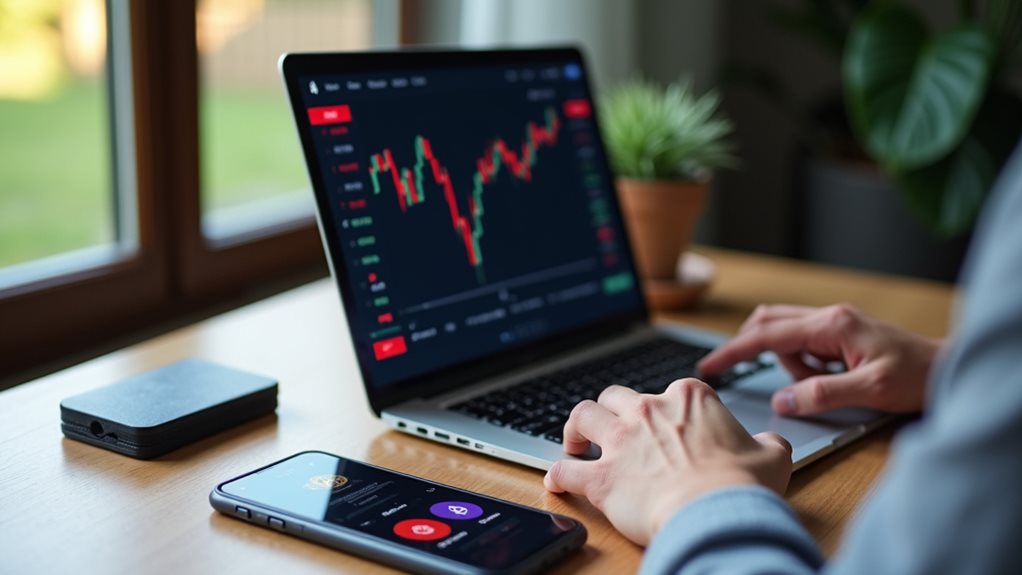
So you’ve learned about the tax headaches—now let’s plunge into actually buying some crypto. First, pick a reputable platform. Coinbase, Gemini, and Kraken are solid choices for beginners. They won’t scare you off with complex interfaces. Really.
Buying crypto sounds scary, but platforms like Coinbase make it as easy as ordering pizza online.
The process isn’t rocket science:
- Create an account and verify your identity (yes, you’ll need your ID—crypto isn’t as anonymous as people think)
- Connect a funding method—bank transfers are cheaper but slower than cards
- Choose your crypto (Bitcoin or Ethereum for newbies, obviously)
- Hit that buy button and specify how much you want
Different cryptocurrency exchanges offer various transaction types. Some let you set limit orders. Others just basic buys. The most active trading hours occur between 2:30 PM and 4:30 PM UTC on weekdays. Fees vary wildly. Don’t be shocked when they eat into your purchase. Always enable two-factor authentication on your exchange accounts for additional protection. After completing your purchase, consider transferring your assets to a hardware wallet for enhanced security.
Frequently Asked Questions
How Do Cryptocurrency Mining Rewards Work?
You earn mining rewards by solving cryptographic puzzles in the mining process. When you succeed, you’ll receive newly minted coins and transaction fees through reward distribution proportional to your computational contribution.
Can Lost or Stolen Cryptocurrency Be Recovered?
It’s rarely recoverable. If you’ve lost your wallet or had your keys stolen, recovery tools and blockchain tracing offer limited help. Implement security measures beforehand and consider insurance options for better protection.
What Determines a Cryptocurrency’s Price and Market Value?
Your crypto’s price comes from supply dynamics meeting demand fluctuations. When you track market sentiment and regulatory influences alongside utility and adoption patterns, you’ll understand why values rise or fall daily.
How Do Crypto Airdrops and Forks Affect My Holdings?
Airdrops give you free tokens when you meet certain criteria, instantly expanding your portfolio. Fork implications include receiving duplicate tokens on new chains when blockchains split, potentially increasing your holdings’ value without additional investment.
What Impact Does Cryptocurrency Have on the Environment?
Cryptocurrency mining consumes massive energy, harming environmental sustainability. You’ll find Bitcoin alone uses as much electricity as small countries, creating considerable carbon emissions and air pollution that affects communities hundreds of miles away.