
Setting up a crypto wallet starts with choosing between hot (online) and cold (offline) storage based on your needs. For hot wallets, download from official sources only, create strong passwords, and enable two-factor authentication. Hardware wallets require checking for tampering, setting a PIN, and securing your seed phrase offline in multiple locations. Always test with small transactions first. Never store seed phrases digitally—seriously, just don’t. The difference between smart security and carelessness is often your entire portfolio.
Understanding the Different Types of Crypto Wallets
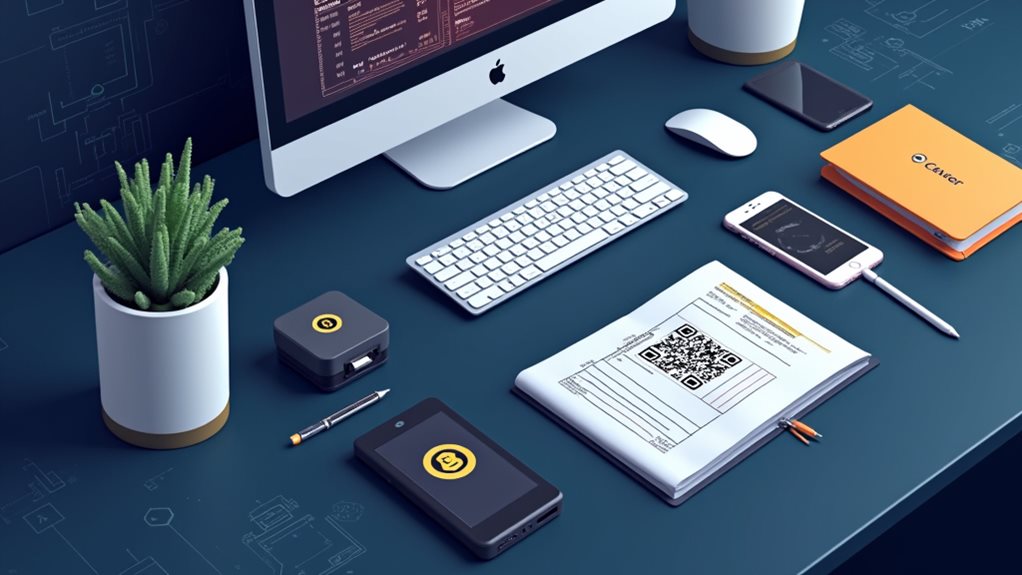
What exactly happens when you store your crypto? You’re not actually storing coins—you’re storing private keys. Big difference.
Crypto wallets come in two main flavors: hot wallets and cold wallets. Hot ones stay connected to the internet—convenient but riskier. Think mobile wallets, desktop wallets, or web-based options. They’re like keeping cash in your pocket—handy but pickpocketable. Two-factor authentication adds an essential layer of defense against unauthorized access.
Cold wallets? They’re offline. Hardware wallets are physical devices that keep your keys locked away from hackers. The most popular models like Ledger Nano X and Trezor Model T offer enhanced security features. Many experts recommend cold storage for long-term holdings due to significantly reduced vulnerability to cyberattacks. Paper wallets are literally printed keys—old school, but effective if you don’t spill coffee on them.
Then there’s the control factor. Custodial wallets? Someone else holds your keys. Non-custodial wallets? You’re in charge. Your keys, your crypto. Simple as that.
Assessing Your Crypto Storage Needs and Priorities
Every crypto holder faces the same critical question: how to keep your digital assets from vanishing into the ether. It’s not rocket science, but it might as well be.
Start with asset valuation and investment duration. $100,000 in Bitcoin demands different security priorities than $50 in Dogecoin. Obviously.
Security scales with value. What protects millions shouldn’t be overkill for pocket change.
Your risk assessment matters too. Paranoid about hackers? Cold storage. Need to trade daily? Hot wallet—transaction frequency dictates accessibility. The choice between custodial and non-custodial solutions depends on your preference for control versus convenience.
Don’t ignore compliance requirements if you’re dealing with serious money. The IRS doesn’t care about your “forgot to report” excuse.
Consider the user interface. Too complicated? You’ll mess up eventually. Trust me.
Finally, backup strategies. Multiple copies of your seed phrase. Different locations. No exceptions. Hardware wallets offer an excellent balance between security and usability for long-term cryptocurrency storage.
Your crypto, your responsibility. Period.
Selecting the Right Wallet Based on Your Requirements
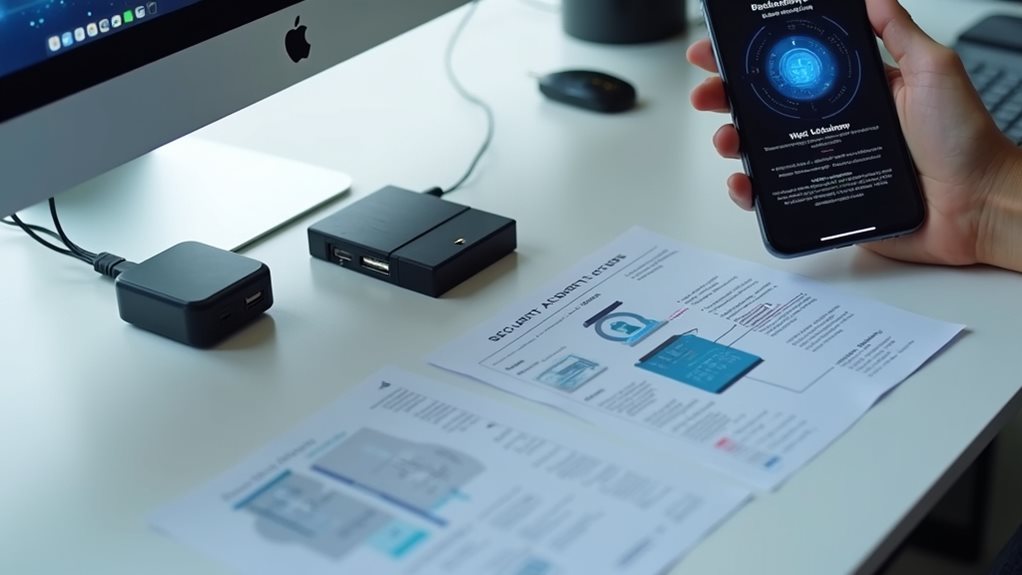
Choosing the right crypto wallet isn’t just a preference—it’s a critical security decision that directly impacts your financial future. Look hard at what you actually need.
Hot or cold? That’s your first choice. Hot wallets connect to the internet—convenient but vulnerable. Cold storage like hardware wallets? Much safer for serious holdings. No contest.
Consider blockchain compatibility carefully. You’ll need MetaMask for Ethereum and DeFi stuff, while multi-chain wallets like Exodus support 50+ blockchains. Transaction fees vary wildly between options.
Security measures matter most. Two-factor authentication, biometric locks, wallet recovery options—don’t skimp here. Reputable wallets now offer anti-phishing tools to help protect users from increasingly sophisticated cryptocurrency scams.
And remember custodial vs. non-custodial? With custodial wallets, you’re trusting someone else with your keys. Not ideal. Non-custodial options provide full control over your private keys and seed phrases, enhancing both security and privacy.
Match wallet features to your user preferences. Mobile for convenience, desktop for detailed management. Simple.
Hardware Wallet Setup: A Detailed Walkthrough

Hardware wallets represent the gold standard in cryptocurrency security—and for good reason. They keep your crypto offline, away from greedy hackers.
First, check that package hasn’t been tampered with. Trust nobody. Connect to your computer, power up, and set a PIN—make it good. Download only the official companion software. Seriously.
Next, install firmware updates. Skip this step and you’re basically inviting trouble. The device will verify it’s authentic—not some knockoff garbage.
The most essential part? Creating your seed phrase. Usually 24 words. Write it down. On paper. Not in a text file, not in an email. Physical paper. Remember that the order of words in your Secret Recovery Phrase is critically important. Store copies in different locations. After recording your seed phrase, you should always test the recovery process to ensure you can regain access if needed.
Finally, set up your accounts and you’re ready to transfer funds. Simple, right?
Software and Mobile Wallet Installation Guide

Software wallets offer three distinct advantages over hardware options: they’re free, convenient, and ready in minutes. The market’s flooded with wallet types for every blockchain imaginable—from MetaMask for Ethereum to Phantom for Solana. Installation steps are dead simple, even for crypto newbies.
- Download ONLY from official sources—seriously, scammers are everywhere
- Complete the setup wizard (usually takes less than 5 minutes)
- WRITE DOWN your recovery phrase on paper (not digital!)
- Enable additional security features like 2FA or biometrics
Don’t skimp on security just because it’s convenient. Your recovery phrase is everything—lose it and kiss your crypto goodbye. No backup, no sympathy. Remember that your wallet doesn’t actually store your assets but rather the private keys linked to your blockchain assets. Hardware wallets provide the highest level of security for serious investors.
Your recovery phrase isn’t just a string of words—it’s your financial lifeline in the crypto world.
Most wallets work as browser extensions or mobile apps—pick what fits your lifestyle. Conducting small test transactions before transferring large amounts is essential to verify your wallet functions properly.
Securing Your Wallet With Best Practices
Once you’ve set up your crypto wallet, the real work begins—securing it against the vultures circling your digital assets.
Private key management is your lifeline; lose it, and kiss your crypto goodbye.
Never, ever share your private keys. Seriously. Would you hand a stranger your house keys? Didn’t think so.
Implement wallet encryption immediately and consider a hardware wallet for long-term holdings—they’re worth every penny.
Enable two-factor authentication. Use strong passwords. Update your wallet software regularly. These aren’t suggestions; they’re survival tactics.
Back up your wallet in multiple locations. Encrypt those backups too. Paper, USB drives, whatever—just make sure they’re secure and offline.
The crypto world doesn’t forgive carelessness. One slip, and your digital fortune vanishes. Forever. The Lazarus Group hack of Bybit proves that even major exchanges aren’t immune to security breaches.
Consider implementing zero-knowledge proofs in advanced wallets to verify transactions without exposing sensitive information.
For significant holdings or business accounts, setting up multi-signature wallets adds crucial protection by requiring multiple keys to approve transactions.
Managing Multiple Cryptocurrencies in Your Wallet
Security’s only half the battle. Most crypto enthusiasts end up juggling multiple wallets—it’s just reality. Your wallet diversification strategies directly impact how effectively you manage your growing portfolio. Different blockchains often demand different wallets. Period.
Consider these cryptocurrency asset allocation approaches:
- Keep separate wallets for trading versus long-term hodling (yes, smart people compartmentalize risk)
- Use multi-cryptocurrency wallets for convenience, coin-specific ones for advanced features like staking
- Label everything obsessively—future you’ll thank present you
- Balance between hot wallets for transactions and cold storage for your serious stash
The crypto world doesn’t care if you’re organized or not. But your future financial self? Definitely does. With DeFi platform vulnerabilities causing massive losses in 2025, maintaining multiple wallets has become essential for risk management.
Multiple wallets aren’t just a headache—they’re your protection against the dreaded single point of failure. Utilizing portfolio tracking tools like CoinStats or Zerion provides a comprehensive overview of your holdings across different wallets. Maintaining a thorough inventory of all your wallets is crucially important to prevent forgetting existing assets.
Frequently Asked Questions
How Can I Recover My Wallet if My Device Is Lost?
You can recover your wallet using your seed phrase on a new compatible device. Enter this phrase exactly as recorded during setup. Wallet recovery also works through cloud backups or wallet files if you’ve used these backup methods.
Can I Transfer My Crypto Between Different Wallet Types?
Yes, you can transfer crypto between different wallet types if they support the same blockchain. Just check wallet compatibility before sending and be aware of transfer fees, which vary by network and wallet provider.
Are There Tax Implications When Moving Crypto Between Wallets?
No, transferring crypto between your own wallets isn’t taxable. You won’t need tax reporting for wallet transfers. However, keep detailed records as any fees paid might be reportable when calculating your future capital gains.
What Happens to My Crypto if the Wallet Company Goes Bankrupt?
If you’re using a custodial wallet, bankruptcy implications include your crypto becoming part of the company’s assets. With non-custodial wallets, you’re safe since you control your private keys for wallet recovery.
How Do I Explain Wallet Security to Less Tech-Savvy Family Members?
Compare wallet basics to a digital bank account. Explain security tips like using strong passwords, enabling two-factor authentication, and being cautious of suspicious messages. Emphasize never sharing private keys with anyone.