
Hardware wallets are your best defense against crypto theft. They keep private keys offline, completely away from hackers. Unlike exchanges or software wallets, these physical devices require your confirmation for every transaction. Popular options like Ledger and Trezor offer tamper-resistant chips and recovery seed phrases for backup. Never store your seed phrase digitally or in obvious places. The peace of mind costs $50-$279, depending on features. Your future self will thank you for this small investment.
What Are Hardware Wallets and Why You Need One

Thieves lurk everywhere in the crypto world. They’re hunting for your private keys, salivating at the thought of emptying your digital wallet. You need better protection.
Hardware wallets are physical devices—think fancy USB sticks with screens—that keep your private keys completely offline. They don’t store your crypto. They store access to it. Big difference. Unlike software wallets, hardware wallets provide superior protection through cold storage technology. Popular models like the Ledger Nano S Plus offer industry-leading security features.
The hardware wallet benefits are simple: what’s offline can’t be hacked online. Period. When you want to make a transaction, you connect the device, confirm on the physical buttons, and your keys never touch the internet. Private key security at its finest.
Remember: not your keys, not your crypto. Exchanges get hacked. Companies go bankrupt. Hardware wallets put you—yes, YOU—in complete control. These devices allow you to manage multiple cryptocurrencies from various exchanges on a single device.
Understanding the Core Security Features of Hardware Wallets
Hardware wallets are built like digital fortresses—for good reason. They’re designed with one critical mission: keeping your crypto completely isolated from the internet.
The magic happens through offline key storage. Your private keys never leave the device. Never. They stay locked inside tamper-resistant SE chips that fight off physical attacks.
Want access? You’ll need proper user authentication—typically a PIN code or fingerprint.
Transaction signing happens internally too. Every transfer must be physically confirmed by you on the device’s screen. No exceptions. This provides unparalleled security as you can visually verify transaction details before approval.
If disaster strikes, recovery mechanisms like seed phrases save your bacon. Just don’t store these phrases digitally. Seriously.
The beauty of hardware wallets? They’re simple. They do one job—protecting your crypto from both online threats and your own mistakes—and they do it exceptionally well. Their secure computer chip creates an impenetrable barrier between your private keys and any potentially compromised devices.
Top Hardware Wallet Options in the Market Today

Five major players dominate today’s hardware wallet environment.
Ledger comparison reveals a range of options—from the $79 Nano S Plus to the fancy $279 Stax with its curved touchscreen. Ridiculous price jump, right? But you’re paying for security.
Trezor advantages include open-source firmware and that sweet Shamir Backup scheme.
Ellipal features complete air-gapped protection—no USB, no Bluetooth, no problem.
SafePal analysis shows it’s the budget king at $50, though the casing feels cheap.
Tangem benefits from NFC technology—no screen needed, just tap your phone. These options represent the cold wallet category which offers superior security by storing private keys completely offline.
For flashy folks, OneKey Pro offers fingerprint access and a massive touchscreen for $278.
BC Vault rounds out crypto wallet trends with MicroSD backups.
Pick your poison. They all beat keeping coins on exchanges.
The Tang Wallet resembles a credit card and comes with a remarkable 25-year warranty, making it an excellent choice for beginners and frequent travelers.
Step-by-Step Guide to Setting Up Your First Hardware Wallet

So you’ve chosen your hardware wallet. Now what? First, check for tampering—seriously, this matters. If those holographic seals are broken, return it immediately.
Hardware wallets are only secure if they arrive untampered. Check those seals or risk your entire crypto portfolio.
Before initial setup, confirm device compatibility with your computer. USB connections can be finicky. Trust me.
Ready? Install the required software (Ledger Live or Trezor Suite, depending on your choice). Connect your device and follow the on-screen instructions. They’ve made it pretty idiot-proof. For added security, consider creating a hidden wallet with an additional passphrase.
Create a strong PIN. Not your birthday, please.
Then comes the vital part: generating your seed phrase. Write it down. On paper. Not in a text file, not in an email. Physical. Paper.
Store this somewhere safe. If you lose it, your crypto’s gone. Forever. Hardware wallets typically cost more than other options, with prices starting at $100, but the enhanced security is worth the investment.
Best Practices for Managing Your Recovery Seed Phrase

Your recovery seed phrase is the ultimate lifeline to your crypto fortune. Lose it, and you’re toast. Seriously.
Keep that BIP-39 standard phrase in physical form only – digital copies are just begging to be hacked. Write it down with handwriting your grandmother could read. No chicken scratch allowed.
Smart seed phrase management means creating multiple copies. Store them in secure environments like fireproof containers. Not under your mattress, genius. Consider using hardware wallets to keep your seed phrases completely offline and protected from potential online threats. Consider splitting your recovery phrase across multiple locations to minimize the risk of complete compromise.
Longer phrases (24 words) trump shorter ones (12 words). That’s just math.
Remember, this isn’t just about today – it’s about inheritance planning too. Your heirs can’t access your crypto if they can’t find your seed phrase.
Review your storage methods regularly. Because paranoia is actually prudent in crypto. Unauthorized access to your seed phrase means complete control over your funds, making security non-negotiable.
Common Security Mistakes to Avoid When Using Hardware Wallets
Securing your seed phrase is only half the battle. You’d be amazed how many crypto enthusiasts mess up the basics.
Avoid common purchasing mistakes like buying from sketchy sellers or skipping device verification. That shiny discount wallet from a random website? Probably compromised. With DeFi platform hacks becoming more frequent, verified hardware wallets are crucial for security.
Firmware update negligence is a disaster waiting to happen. Update regularly, but only from official sources. Period.
Device security requires vigilance. Don’t connect your hardware wallet to that ancient laptop with a hundred browser extensions. Creating your recovery phrase on connected devices exposes your keys to potential malware and hackers.
Storage handling matters too. Your $50,000 in crypto deserves better than being tossed in a sock drawer. Always store your recovery phrases on physical mediums like metal or paper instead of digitally to prevent online theft.
And operational mistakes? Using “password123” or ignoring 2FA is practically begging to be hacked. Don’t be that person.
Hardware Wallets vs. Other Storage Methods: A Comprehensive Comparison
When choosing how to store your crypto, the options can feel overwhelming.
Hardware wallets offer serious advantages – they keep your private keys offline, safe from internet threats. Hackers hate them. Period.
Hardware wallets keep your crypto fortress locked and underground. Your keys stay offline – exactly where cybercriminals can’t reach them.
But let’s be real. Hardware wallets disadvantages include higher costs and a steeper learning curve. Not exactly grab-and-go technology. Many utilize Secure Element technology to prevent physical tampering with the device components.
Software wallets, meanwhile, offer convenience and better interfaces. Perfect for frequent trading or small amounts. They’re just not as secure – connected to the internet means connected to risk. Many software wallets provide dApp integration and coin conversion features that enhance their functionality.
The trade-off is simple: security versus accessibility. Store large amounts long-term? Go hardware. Trading daily? Software might work better.
Your choice boils down to this: How much security can you afford to sacrifice for convenience?
How Hardware Wallets Protect Against Different Types of Attacks
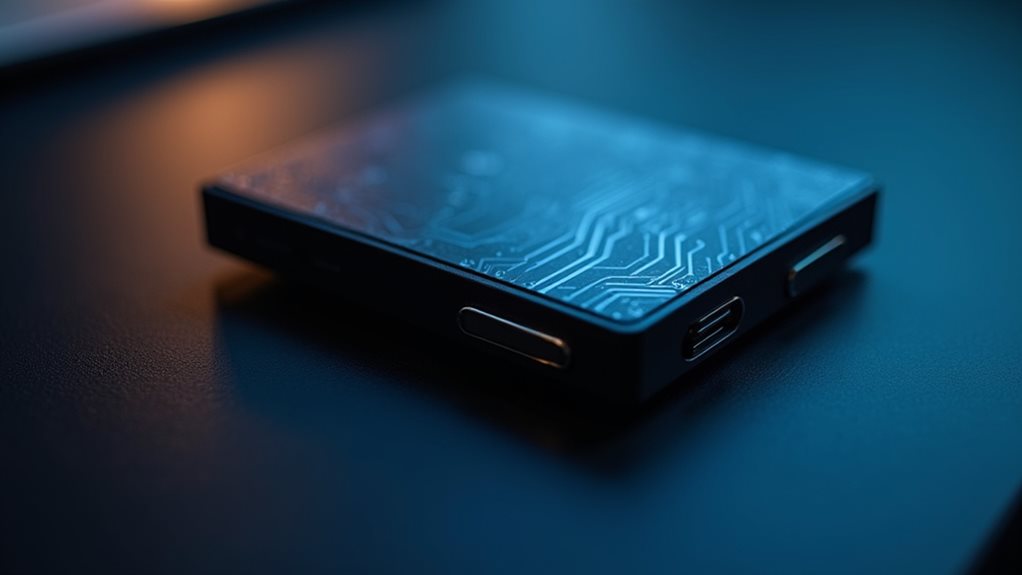
So hardware wallets win the security battle – but how exactly do they fend off attackers?
They’re built with multiple security layers that address various attack vectors.
First, physical protection matters. Solid shielding blocks electromagnetic leakage that could reveal your keys. Smart design isolates critical components. Simple as that.
The crypto magic happens inside too. Constant-time operations prevent timing attacks. Power consumption is deliberately shaped to confuse snoopers. They’ve even added random operations to break patterns. While state-sponsored hackers are becoming increasingly sophisticated, these security measures remain effective. Clever.
Your wallet’s software isn’t slacking either. Regular firmware updates patch vulnerabilities before hackers exploit them. And seed phrases? They’re generated offline – where prying eyes can’t see. For long-term holdings, hardware wallets provide the cold storage solution that dramatically reduces hacking risk. Always verify transaction details on device screen to ensure you’re not approving manipulated information.
Bottom line: hardware wallets aren’t just plastic boxes. They’re fortresses designed to make attackers’ lives miserable.
Advanced Features and Functionalities of Modern Hardware Wallets
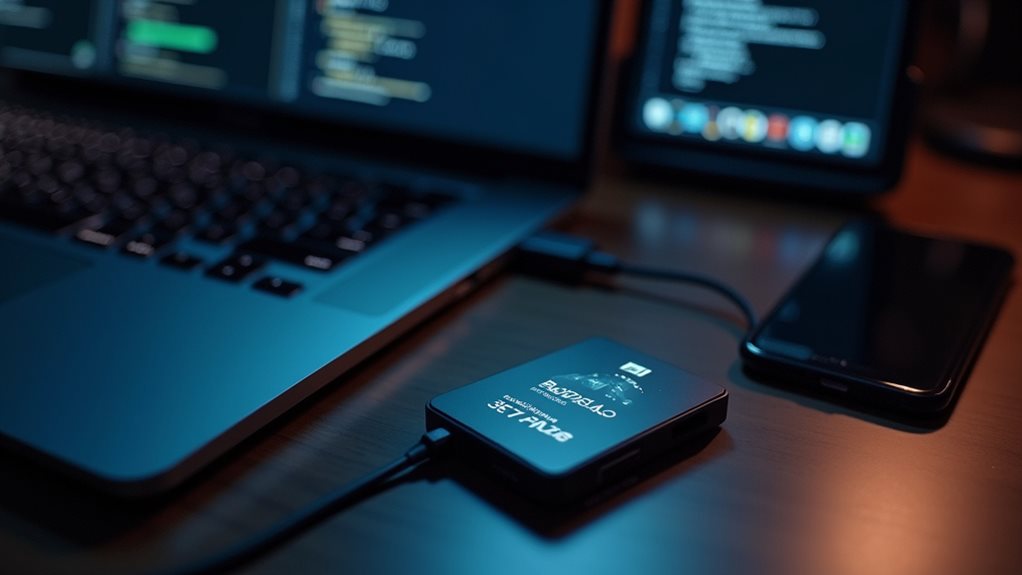
Evolution doesn’t stop – not even for crypto wallets. Today’s hardware wallets are technological marvels compared to their clunky ancestors.
Multi-coin support is now standard, with thousands of cryptocurrencies accessible from one device. No more juggling different wallets for different coins. Thank goodness.
Secure chip technology (like CC EAL5+ or CC EAL6+) keeps your private keys locked down tight – the same tech used in passports and banking cards. Ledger Nano X employs two chips for enhanced security, making it a recommended choice for serious crypto investors.
Bluetooth connectivity? Got it. Touchscreens? Absolutely. Biometric authentication? You bet. The D’Cent wallet stands out as the first hardware wallet with integrated fingerprint authentication for additional security. Some wallets even boast air-gapped systems – completely disconnected from the internet. Paranoid much? Actually, smart.
E-Ink displays make transaction verification crystal clear, while companion mobile apps let you monitor your portfolio on the go.
DeFi integration, NFT management, staking capabilities – modern wallets aren’t just security tools anymore. They’re financial command centers.
Integrating Your Hardware Wallet With DeFi and Web3 Applications
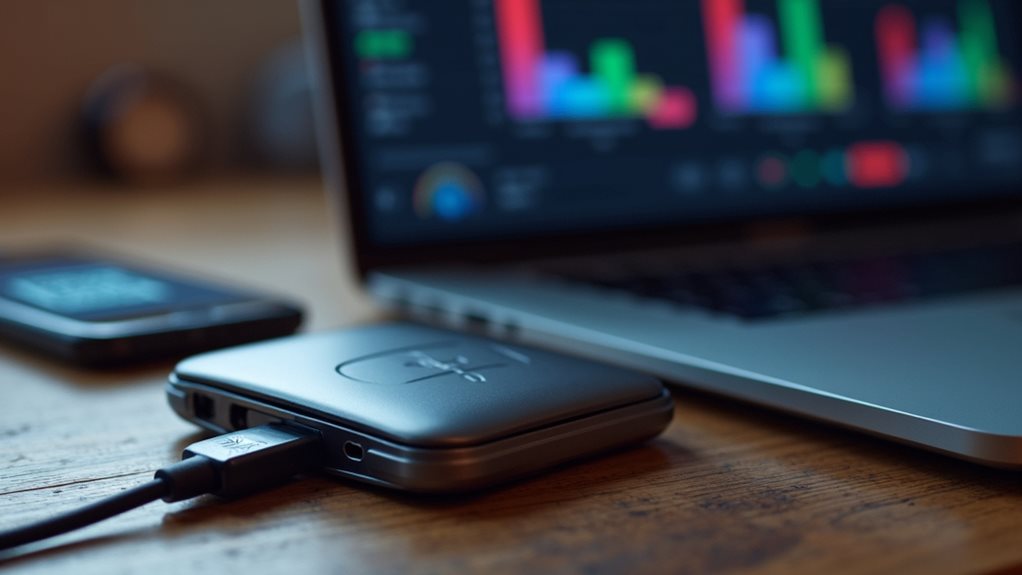
Despite their fortress-like security, hardware wallets aren’t much use if they can’t play nicely with the exploding DeFi ecosystem.
The truth? Integration comes with real DeFi challenges.
Integration isn’t seamless. Hardware wallets create friction in DeFi’s fast-moving ecosystem—a necessary evil for true asset protection.
You’ll need third-party software like MetaMask or WalletConnect. Period. Hardware wallets require physical confirmation for transactions—annoying when you’re trying to catch that fleeting yield farming opportunity. Too bad.
Firmware updates are non-negotiable if you want compatibility with evolving Web3 integration standards. Skip them at your peril. Smart contract vulnerabilities can expose your assets to significant risks without proper security measures.
The security-convenience tradeoff is stark. Hardware wallets protect your keys offline while enabling smart contract execution for token swaps and lending. But the process isn’t always pretty.
Brands like Trezor, Ledger, and Cryptnox support multiple blockchains, which helps. The rapid DeFi growth creates significant demand for secure wallet solutions that can maintain asset protection while still allowing participation in decentralized financial activities. Regularly updating your wallet’s firmware ensures optimal cryptographic standards for DeFi interactions. DeFi waits for no one.
Frequently Asked Questions
Can Hardware Wallets Be Used Without an Internet Connection?
Yes, you can use hardware wallets without internet for offline security. They store private keys offline, allow transaction signing internally, and support wallet recovery through backup phrases if your device is lost or damaged.
What Happens if the Hardware Wallet Manufacturer Goes Out of Business?
You’ll lose warranty coverage and support, but your crypto remains safe as long as you have your recovery phrase. Consider alternative recovery methods like open-source software and community support for long-term access to your funds.
Are Hardware Wallets Vulnerable to Supply Chain Attacks?
Yes, hardware wallets are vulnerable to supply chain attacks. You’ll face supply chain risks like chip tampering and firmware manipulation. Protect yourself by purchasing directly from manufacturers and implementing proper security measures including device verification.
Can I Access My Assets if the Wallet’s Screen Breaks?
Yes, you can still access your assets if your wallet’s screen breaks. Simply use your backup recovery methods by entering your recovery phrase on a new device. Screen replacement options exist but aren’t necessary.
Do Hardware Wallets Work With Newly Launched Cryptocurrencies?
Yes, hardware wallets can work with newly launched cryptocurrencies, but it depends on firmware updates and integrations. You’ll need to verify your wallet’s compatibility before investing, as providers prioritize popular coins over newer ones.