
To use crypto for everyday purchases, start by getting a crypto wallet and a compatible payment card from providers like Coinbase or BitPay. These cards work anywhere Visa or Mastercard is accepted—merchants won’t even know you’re using crypto. Load your wallet, make purchases, and watch for transaction fees (they can bite you). Security matters: use cold wallets for storage, hot wallets for spending. Never share private keys. The crypto payment revolution is happening right now, ready or not.
Getting Started With Crypto Payment Methods

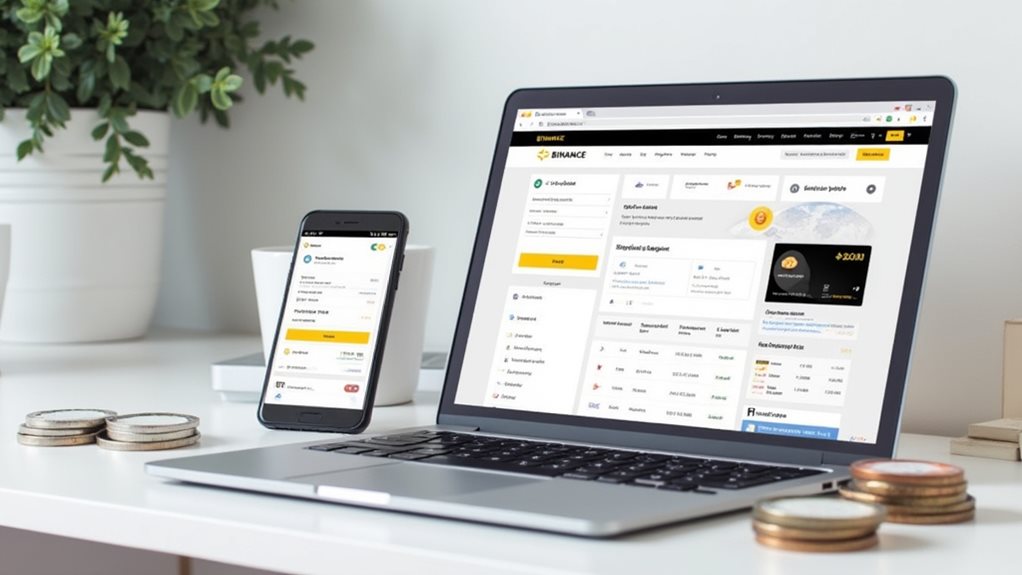
Three key platforms now make crypto payments a breeze for everyday shoppers. Apps like BitPay, Coinbase Pay, and Crypto.com connect your digital money directly to retailers. No more banking hoops. Just scan and go.
First, you’ll need a crypto wallet. Options range from simple mobile apps to hardcore hardware devices. Your choice. Security matters—backup those keys or kiss your coins goodbye.
Get a wallet, pick your level of techiness, and back up those keys or lose everything.
Transaction speed varies wildly between cryptocurrencies. Bitcoin? Sometimes glacial. Litecoin? Much faster. Choose wisely. Unlike the Binance Global Platform, U.S. users must stick to domestic services for their crypto transactions in 2025.
The setup is straightforward: create wallet, secure it, connect to payment app, spend. Most apps now track your purchases in real-time. Pretty slick. With Crypto.com App, you can shop at over 150 brands using Bitcoin and more than 30 other cryptocurrencies.
Funny thing about crypto payments—they’re actually easier than opening a bank account in some countries. Progress, right?
You can even shop at retailers like Adidas which accepts crypto through gift cards since 2023 and is planning collaboration with CoinBase for direct payments.
Setting Up and Using Crypto Payment Cards
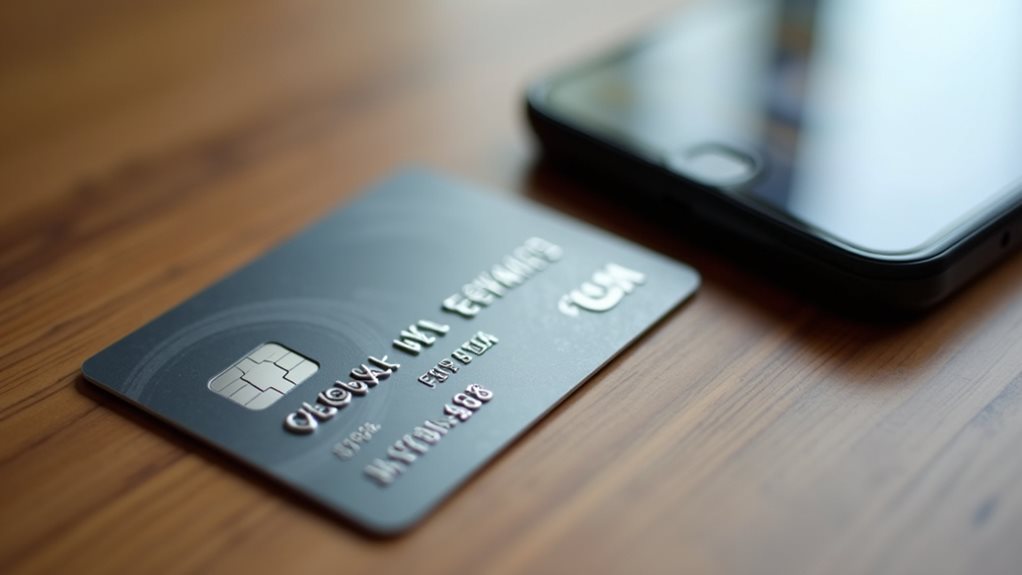
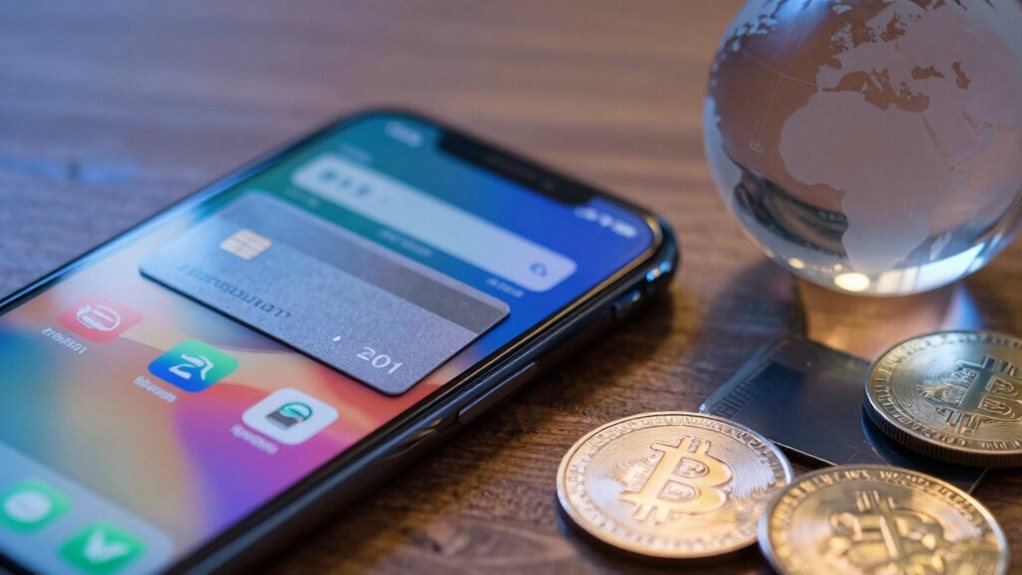
While crypto wallets open the door, payment cards kick it wide open. Getting your hands on one isn’t complicated. Sign up with a provider like Coinbase or Nexo, verify your identity (yes, KYC is unavoidable), and link your crypto wallet. Done.
Card types matter. Debit cards spend directly from your crypto. Credit versions let you borrow against holdings. Prepaid? Load and go. Some hybrids do both—pretty slick. Like spot Bitcoin ETFs, these cards provide direct exposure to cryptocurrency prices.
Rewards programs are where things get interesting. Instant cashbacks ranging from 0.1% to 4% in crypto. Some cards like KAST Solana offer an impressive 15% cashback rate. Some even pay interest on balances. These cards automatically convert crypto to fiat at the point of sale, making transactions seamless for both you and merchants. Who doesn’t like free money?
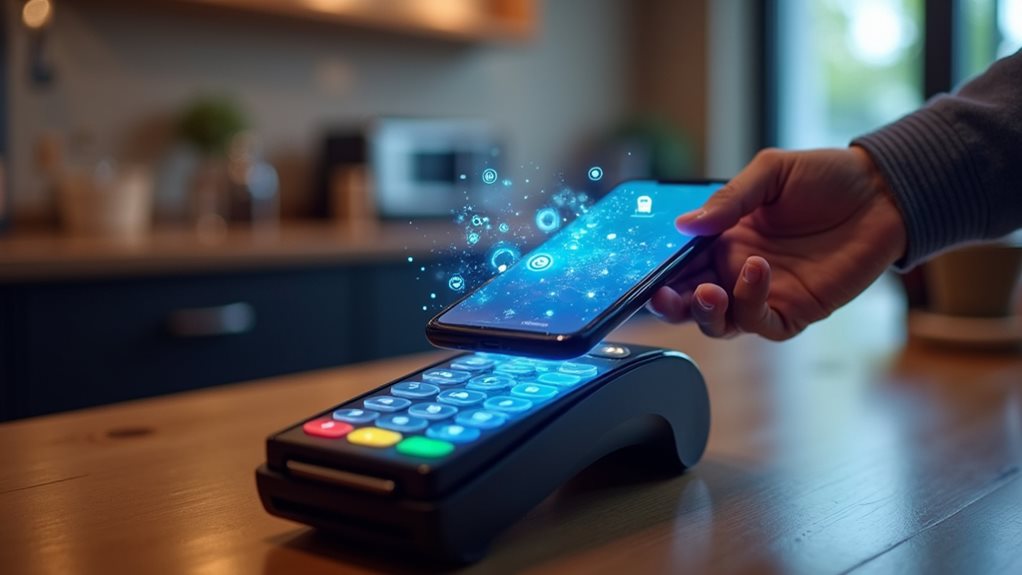
Most run on Visa or Mastercard networks. Use them anywhere. Online. In-store. ATMs. The merchant never knows you’re spending crypto. That’s the point.
Finding and Shopping at Crypto-Friendly Merchants

Where can you actually spend crypto directly? More places than you’d think.
Electronics giant Newegg takes Bitcoin through BitPay integration—buy that overpriced GPU with your crypto gains.
Buy that 4090 with the same Bitcoin you’ve been diamond-handing since 2017. Newegg makes it possible.
Fancy a luxury watch? Jomashop accepts BTC, ETH, and even DOGE.
Don’t see your favorite store? Gift card services are your backdoor. BitPay’s network lets you convert crypto to shop at IKEA, Home Depot, and hundreds more retailers. Brilliant workaround.
Travel’s surprisingly crypto-friendly. Book flights through Alternative Airlines using various cryptocurrencies across 600+ airlines. Travala offers Lightning Network support for instantaneous Bitcoin payments on hotel bookings worldwide.
Even NordVPN and Hostinger accept Bitcoin for subscriptions.
The ecosystem’s growing fast. Major payment processors like BitPay and Crypto.com Pay are bringing more merchants onboard daily. With PayPal integration, Crypto.com users can now easily top up their Visa cards for seamless purchases at millions of retailers.
Using tools like BTC Map can help you find local Bitcoin merchants verified by the community to ensure the information is accurate and up-to-date.
Crypto isn’t just for HODLing anymore.
Managing Transaction Fees and Conversion Rates
Despite crypto’s growing merchant adoption, transaction fees remain the prickly thorn in your everyday payment experience. Bitcoin fees can skyrocket from $1-3 to $12 during congested periods. The April 2025 congestion peak saw transaction costs reach $8-$12 per transaction. Not exactly pocket change!
Smart fee strategies make all the difference. Use wallets with dynamic fee estimation. Time your transactions during “free blocks” when network traffic is low. Recent data shows approximately 15% of blocks are classified as “free blocks” with minimal fees. With market liquidity dropping, timing your transactions becomes increasingly important.
Or ditch Bitcoin altogether for everyday purchases—Stellar charges a measly $0.00001, while Nano and IOTA cost nothing.
Volatility management is equally essential. Merchants aren’t thrilled when your $5 coffee payment fluctuates to $4 or $6 within minutes.
That’s why 30-35% of merchant transactions use stablecoins like USDT. Many stores simply price in fiat and convert instantly, avoiding crypto’s rollercoaster entirely. Can’t blame them.
Security Best Practices for Everyday Crypto Spending
Fees and rates matter little if someone steals your crypto entirely. Your security protocols should be air-tight—non-negotiable.
Start with proper wallet management: use cold wallets for storage, hot wallets for daily spending. Simple.
Never, ever share private keys. With anyone. Period.
Enable 2FA on everything crypto-related and implement strong device security measures. Public Wi-Fi? Avoid it like the plague for transactions. Regular software updates are essential to maintain your digital armor against emerging threats.
Risk assessment isn’t optional—it’s survival. Track every transaction and set up alerts. Weird activity? Investigate immediately.
Privacy measures protect you from becoming a target. Remember: phishing prevention means scrutinizing every email, link, and message.
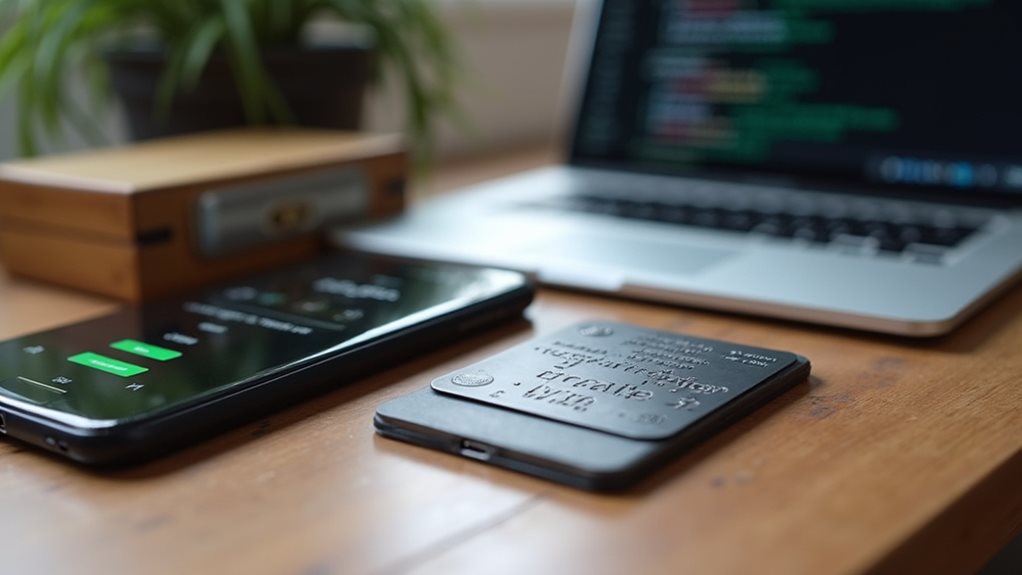
Keep backup phrases offline—preferably engraved in metal. Sound extreme? Not when your funds vanish. Consider storing your seed phrases in multiple physical locations to prevent loss from disasters. For maximum durability against environmental damage, use metal cards for storing your seed phrases.
Have account recovery methods ready. Because crypto theft isn’t theoretical—it’s a daily reality.
Frequently Asked Questions
How Do I Resolve Disputed or Incorrect Crypto Payments?
First, verify your transaction on the blockchain. Then contact the recipient directly. If unresolved, use platform-specific dispute resolution services like Kleros or exchange arbitration. Keep transaction records as evidence throughout the process.
Can I Earn Interest on Crypto While Using It for Payments?
Yes, you can earn interest while using crypto for payments by keeping portions in crypto savings platforms that offer flexible withdrawals. Stablecoins typically provide the best balance between earning interest and payment accessibility.
Will Merchants Offer Discounts for Paying With Cryptocurrency?
Some merchants offer occasional discounts when you pay with crypto. These incentives aren’t widespread yet, but they’re growing as businesses recognize changing payment preferences among tech-savvy consumers, particularly with stablecoin transactions.
How Do Crypto Payments Affect My Tax Obligations?
Every crypto payment triggers capital gains taxes. You’ll need to calculate and report the difference between your purchase price and the value when spent. Strict reporting requirements begin in 2025 with Form 1099-DA.
What Happens if a Merchant Refuses My Crypto Payment Card?
You’ll need to try another payment method. Merchant policies may vary, so ask about their specific concerns. Consider using payment alternatives like traditional cards or cash until you resolve the issue with your provider.