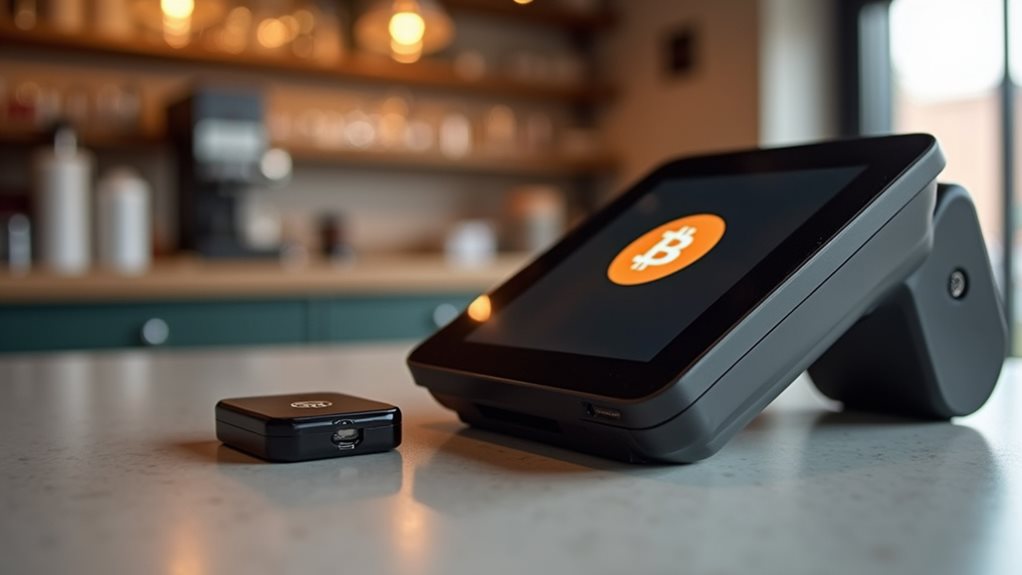

Bitcoin shattered a thousand years of banking tradition in just over a decade. Launched in 2009, this digital rebel eliminated banks as middlemen, enabled direct peer-to-peer transactions, and reached a trillion-dollar market cap – all while the skeptics scoffed. Its blockchain technology revolutionized how money moves, bringing financial services to the unbanked and challenging centuries-old monetary systems. Not bad for a so-called “fad.” The real story goes much deeper.

A digital revolution stormed the financial world in 2009, and its name was Bitcoin. This wasn’t just another tech innovation – it was the first truly decentralized digital currency that told banks and middlemen to take a hike. No central authority, no permission needed, just pure peer-to-peer transactions recorded on an immutable blockchain.
The financial establishment scoffed at first. They called it a fad, a bubble, a scam. Well, guess what? Bitcoin’s market cap later hit over $1 trillion. Not bad for a “fad.” This digital upstart transformed how people think about money, challenging thousand-year-old notions of currency and value. Traditional bankers weren’t exactly thrilled. Lack of trust in traditional banking institutions has driven more people to embrace cryptocurrency alternatives. Bitcoin’s incredible 0.94 correlation with liquidity since 2013 proves its deep connection to global financial markets.
Bitcoin’s impact reached far beyond trading charts and price speculation. It brought financial services to people who’d never seen the inside of a bank. In regions with limited banking access, Bitcoin became a lifeline for cross-border payments. No paperwork, no waiting days for approval – just send and receive. Simple as that.
Bitcoin revolutionized financial access, bringing instant borderless transactions to the unbanked masses who traditional systems left behind.
The technology behind Bitcoin? Pure genius. Blockchain guarantees every transaction is recorded transparently and securely. It’s like a digital ledger that can’t be erased or altered. The cryptography keeps everything locked down tight, while miners (despite their energy-hungry computers) keep the network running 24/7. The fixed supply cap of 21 million coins ensures its value remains protected against inflation.
Sure, Bitcoin has its critics. They point to its volatility, environmental impact, and use in less-than-legal activities. Valid concerns, absolutely. But here’s the thing: Bitcoin’s influence on global finance is undeniable. It’s sparked countless innovations in blockchain technology, challenged traditional monetary policies, and given central banks something to think about.
Bitcoin represents more than just digital money – it’s a technological breakthrough that’s reshaping financial systems worldwide. Whether it’s serving as an inflation hedge, facilitating instant cross-border payments, or inspiring new blockchain applications, Bitcoin has permanently altered the financial terrain. Love it or hate it, this digital disruptor isn’t going anywhere.