
Brazil’s Pix just went international. The payment juggernaut, used by nearly every adult in Brazil, has launched in Argentina. Brazilians there can now pay merchants by scanning a QR code with their normal bank app—no extra steps. It instantly converts reais to pesos. This direct, bank-led expansion into a major economy is a big deal. It hints at a future where Pix could challenge global payment norms. More on that next.
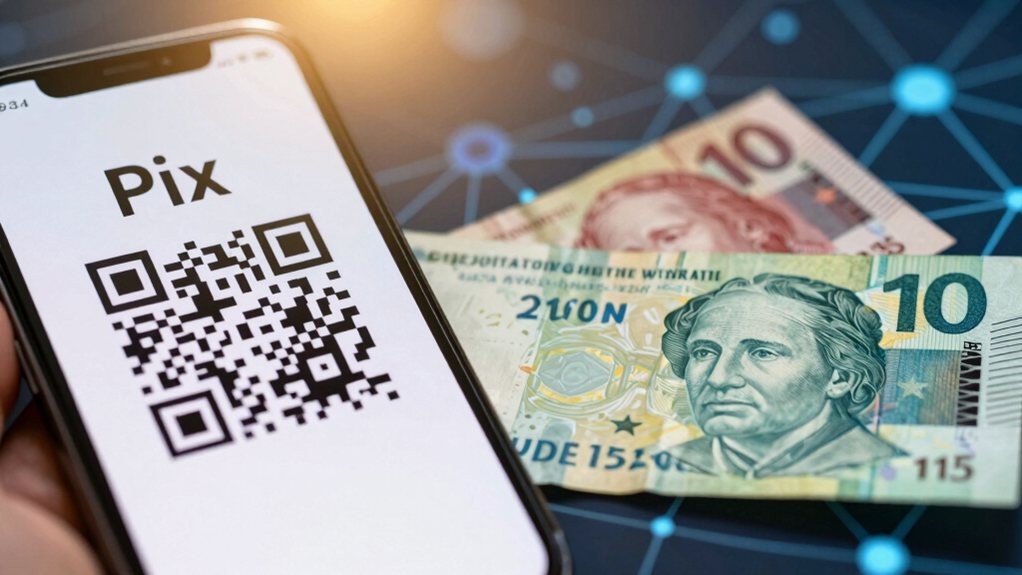
The process is stupidly simple for users. A Brazilian in Buenos Aires just scans a merchant’s QR code with their usual banking app. That’s it. No new registrations, no fuss. The confirmation screen shows the exchange rate and applicable taxes upfront. Then the background tech handles the instant conversion from reais to pesos. The transaction appears as a normal Pix transfer on their statement. Free for retail users, 24/7. For merchants, fees are low. This mirrors the domestic experience perfectly, which is the whole point.
Pix’s domestic success is the reason this expansion even makes sense. Launched in 2020, it’s used by 91% of Brazilian adults. It processes billions of transactions monthly, moving trillions in reais. It obliterated older payment methods like TED and boletos within months. That kind of adoption gives it muscle. Now it’s flexing.
Argentina isn’t the first foreign step. Uruguay was, back in 2023. Expansions followed in Peru, Paraguay, and others through partnerships with companies like PagBrasil. There was even a reciprocal move: Argentine tourists could use Mercado Pago to pay via Pix in Brazil. But this Argentina launch is different. It’s a direct, bank-led rollout into a major economy. It leverages the existing Coelsa payments infrastructure. And it’s subject to Brazil’s IOF tax on international operations, because of course it is. This service was developed in partnership with Banco Patagonia to enable the cross-border functionality.
The strategy is clear. Follow the Brazilian diaspora. Target countries with large Brazilian communities. Reduce the pain of currency exchange and high credit card fees for travelers. Boost local spending. Banco do Brasil is now evaluating expansions across Latin America, Europe, and Asia. PagBrasil is pushing Pix as a potential global standard. Ambitious? Absolutely.
This isn’t just about convenience. It reinforces Banco do Brasil’s international presence. It shows a commitment to payment innovation that actually works. It could strengthen regional commerce. A model for cross-border digital payments in Latin America, built by Brazil. Whether the world is ready for it is another question. But they’re bringing it anyway.